The four variables
Chemistry, temperature, mechanical action and time. Every cleaning process trades them against each other, and reducing one means raising another.
In detail
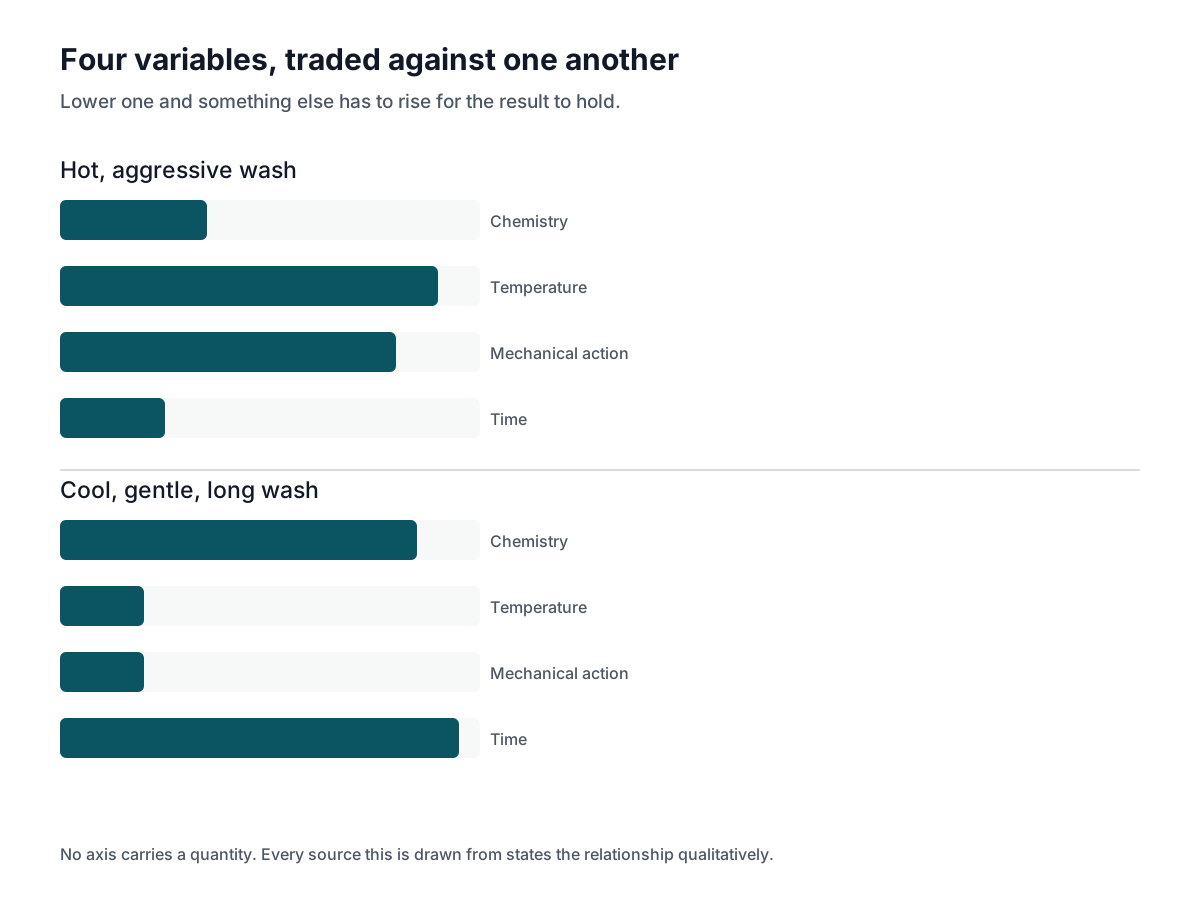
Almost every practical question about cleaning is a question about four variables and how they substitute for one another: what chemistry is applied, at what temperature, with how much mechanical action, for how long. Reduce one and something else has to rise for the result to hold. That single idea answers a surprising number of things. A cool wash cleans as well as a hot one only because enzyme chemistry and longer cycle times were developed to replace the missing heat. A delicate fabric that cannot take agitation or temperature needs better chemistry and much more time, which is exactly what a long, cool, gentle programme provides. A soak works because time substitutes for the scrubbing that would damage the surface. And when something is not working, the variable people increase is almost always mechanical action, because it is the one under direct control — and it is the one most likely to damage the surface rather than the soil. The trade documents say the same thing in their own words: work gently, be patient, allow the solution to remain a few minutes, repeat the same step rather than pressing harder.
Why
- Agitation is explained by The four variables
- Pre-treatment is explained by The four variables
- Hot-water extraction is explained by The four variables
- Machine washing is explained by The four variables
- Two-stage degreasing is explained by The four variables
- Soaking is explained by The four variables
- Defoamer is explained by The four variables
Sources for this page
Sources
Cleaning product science and ingredient information
American Cleaning Institute (ACI) · Trade or professional body
Relied on for: That cleaning outcomes depend on chemistry, temperature, mechanical action and time acting together. (background and mechanism only)
Spot Solver: spot and spill removal procedures
The Carpet and Rug Institute (CRI) · Trade or professional body
Relied on for: That the procedure instructs working in gently, allowing the solution to remain a few minutes, being patient, and repeating the same step several times rather than increasing force or concentration. (states this directly)